
What to Expect When Go Inside the Great Pyramid of Khufu
Inside The Great Pyramid
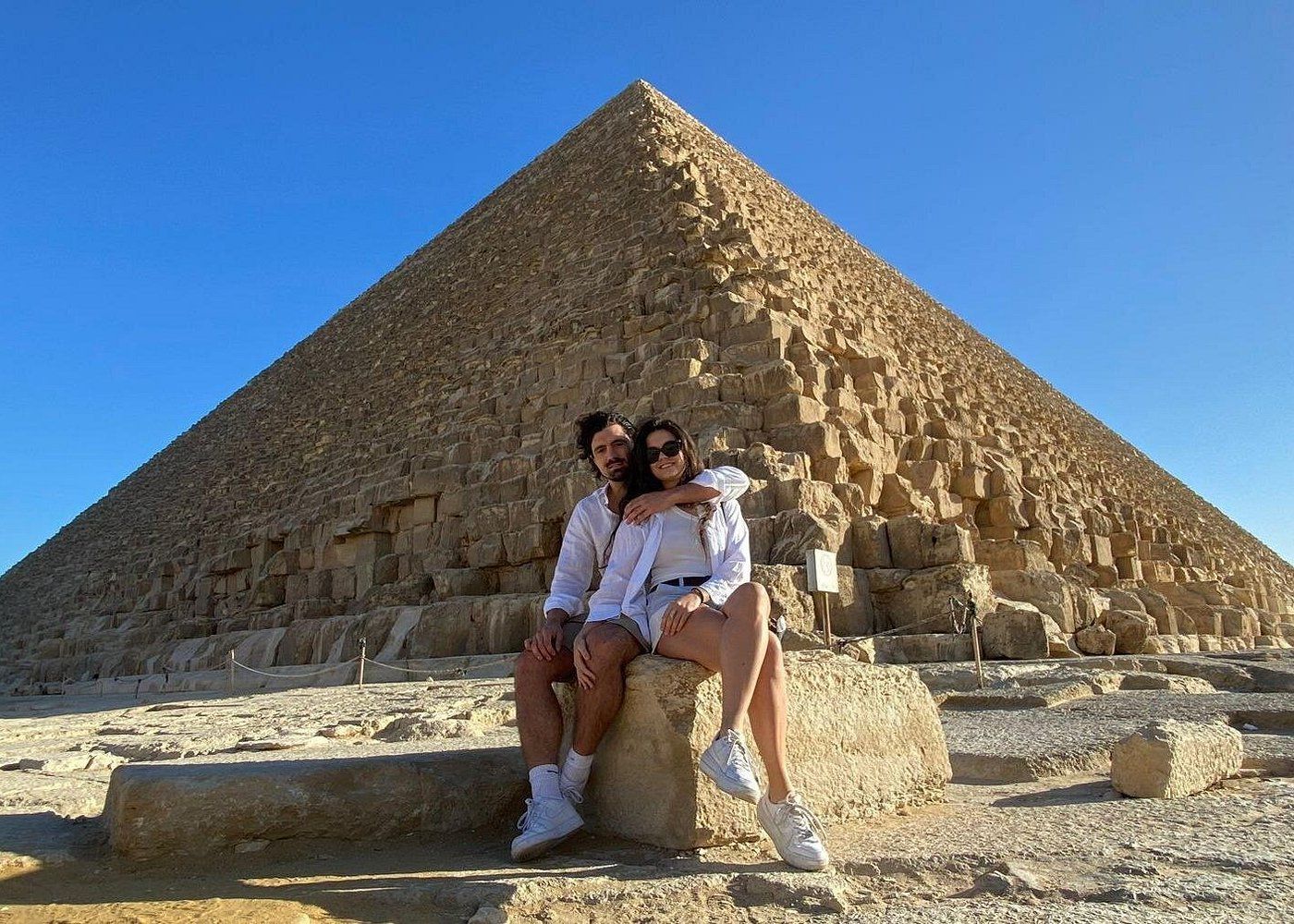
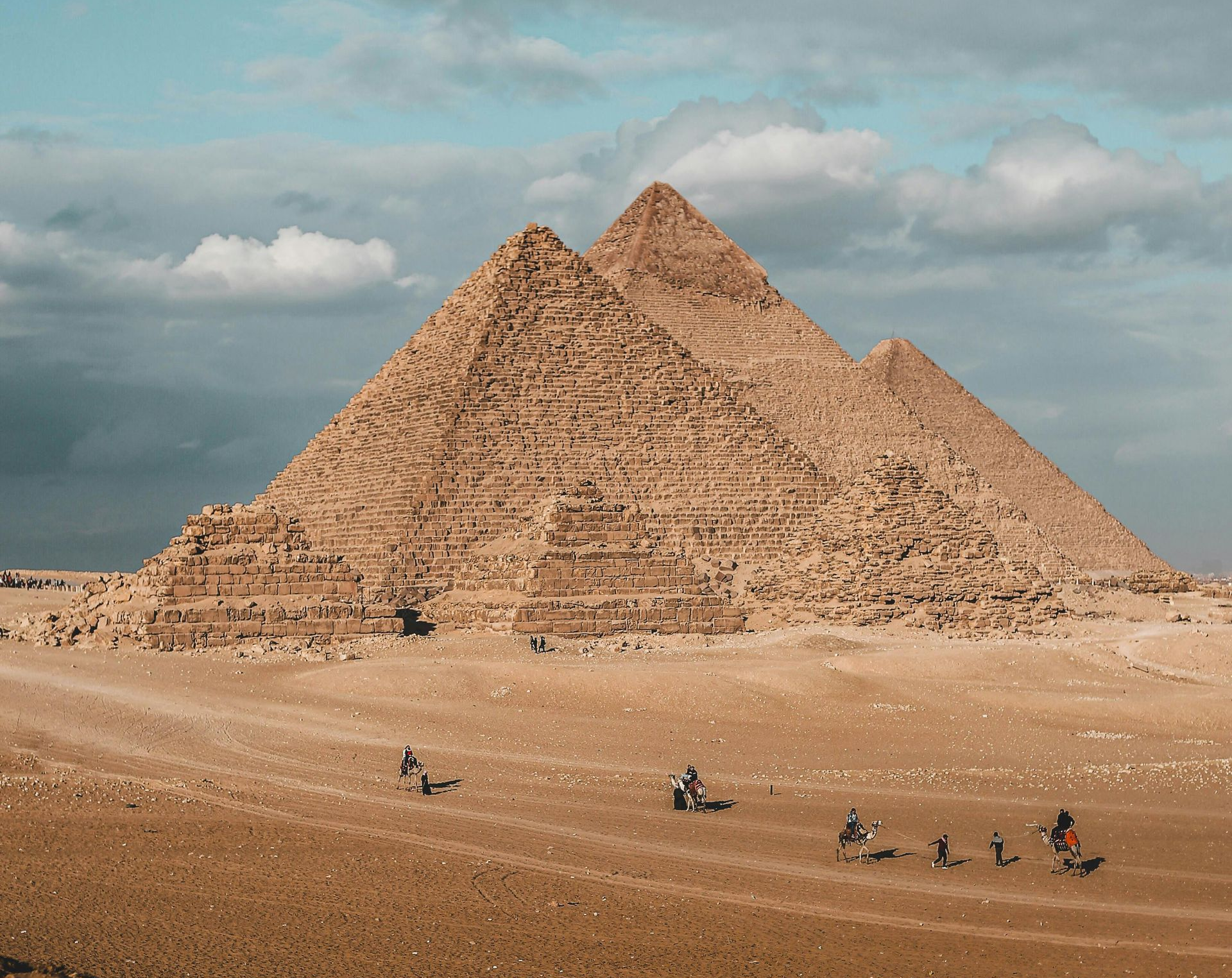
Standing before the Great Pyramid of Khufu is one of the most powerful moments in any trip to Egypt. Built more than 4,500 years ago during the Fourth Dynasty of the Old Kingdom, this monumental structure was constructed as the tomb of Pharaoh Khufu and remains the only surviving monument of the Seven Wonders of the Ancient World.
While the exterior of the pyramid is awe-inspiring, many visitors are curious about what lies inside. Can you really enter the pyramid? What does the interior look like? And is it worth the effort?
The answer is yes—visitors can enter the pyramid, but the experience is very different from what many people expect.
This guide explains everything you need to know about exploring the interior of the Great Pyramid, including what you will see, how to buy tickets, and what the experience feels like.
Inside the Great Pyramid of Khufu Giza Pyramids & Sphinx Tour
Can Visitors Enter the Great Pyramid?
Yes. Visitors to the Giza Pyramids can enter the Great Pyramid by purchasing a special interior ticket at the archaeological site.
Unlike the general entry ticket to the Giza Plateau, the interior ticket allows access to the pyramid’s internal passages and chambers.
However, access is limited. Only a certain number of visitors are allowed inside each day to help preserve the monument. Because of this, tickets sometimes sell out during busy tourist seasons.
- Many guided tours help travelers obtain these tickets and manage entry times.
A Brief History of the Great Pyramid
The Great Pyramid was constructed around 2580–2560 BCE during the reign of Pharaoh Khufu. At the time of its completion, it stood approximately 146 meters tall and was the tallest human-made structure on Earth for nearly 4,000 years.
The pyramid was originally covered in smooth white limestone casing stones that reflected sunlight, making it shine brilliantly in the desert landscape.
Over the centuries, most of these casing stones were removed or reused in other buildings in nearby Cairo, leaving the stepped stone structure visible today.
Despite centuries of weathering and human activity, the pyramid remains remarkably well preserved.
The Interior Structure of the Pyramid
The internal layout of the Great Pyramid is relatively simple compared to the elaborate tombs of later Egyptian pharaohs. However, the engineering and scale of its corridors and chambers remain impressive.
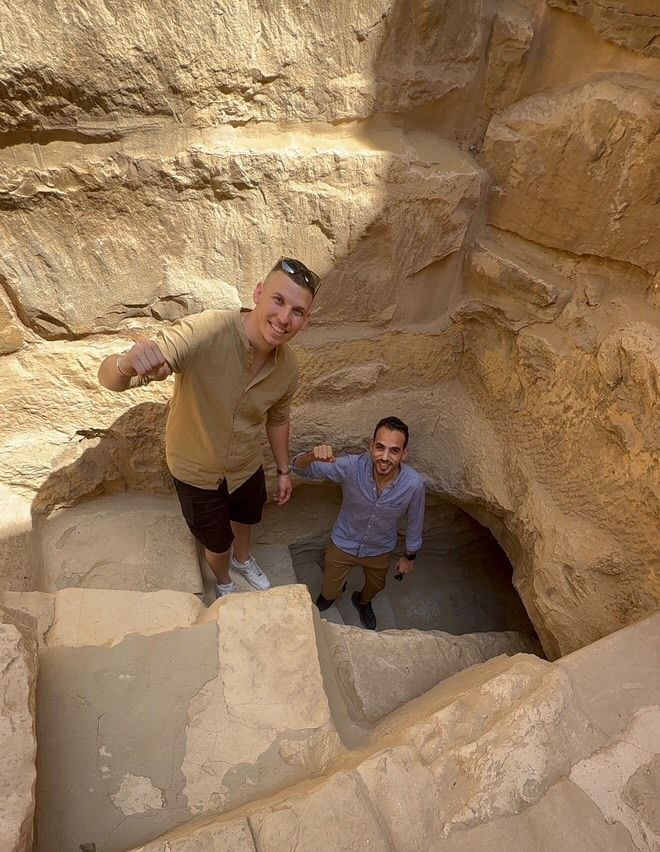
Visitors who enter the pyramid typically follow a route through several key sections.
The Descending Passage
The first corridor encountered inside the pyramid slopes downward toward the bedrock beneath the structure. This passage originally led to an unfinished subterranean chamber.
Today, visitors usually bypass this route and instead take the ascending passage toward the upper chambers.
The Ascending Passage
The ascending passage is a narrow, steep corridor that climbs upward inside the pyramid. Visitors must bend slightly while walking through the passage because the ceiling is relatively low.
Although the corridor is narrow, the sense of walking inside one of the world’s oldest monuments creates a powerful atmosphere.
The Grand Gallery
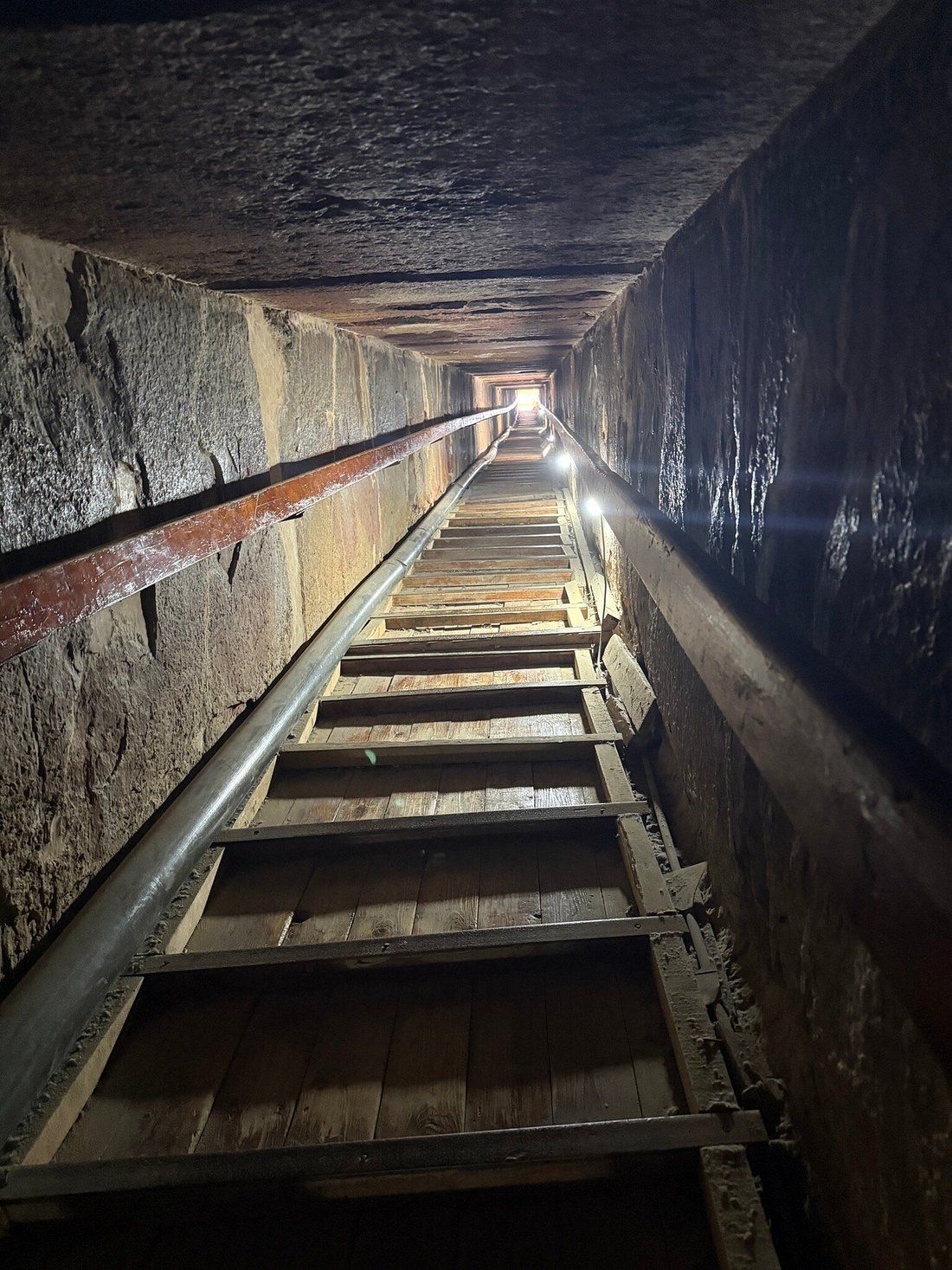
The Grand Gallery is the most impressive architectural feature inside the pyramid. This long corridor rises high above visitors and is constructed using corbelled stone layers that gradually narrow toward the ceiling.
The gallery measures roughly 47 meters in length and about 8.6 meters high.
Walking through this passage gives visitors a glimpse of the extraordinary engineering abilities of ancient Egyptian builders.
The King’s Chamber
At the end of the route lies the King’s Chamber, built from enormous granite blocks transported from Aswan hundreds of kilometers away.
Inside the chamber sits a granite sarcophagus believed to have held the body of Pharaoh Khufu.
The chamber itself is relatively plain, but standing inside a burial room built more than four millennia ago is an unforgettable experience.
How to Buy Great Pyramid Entry Tickets
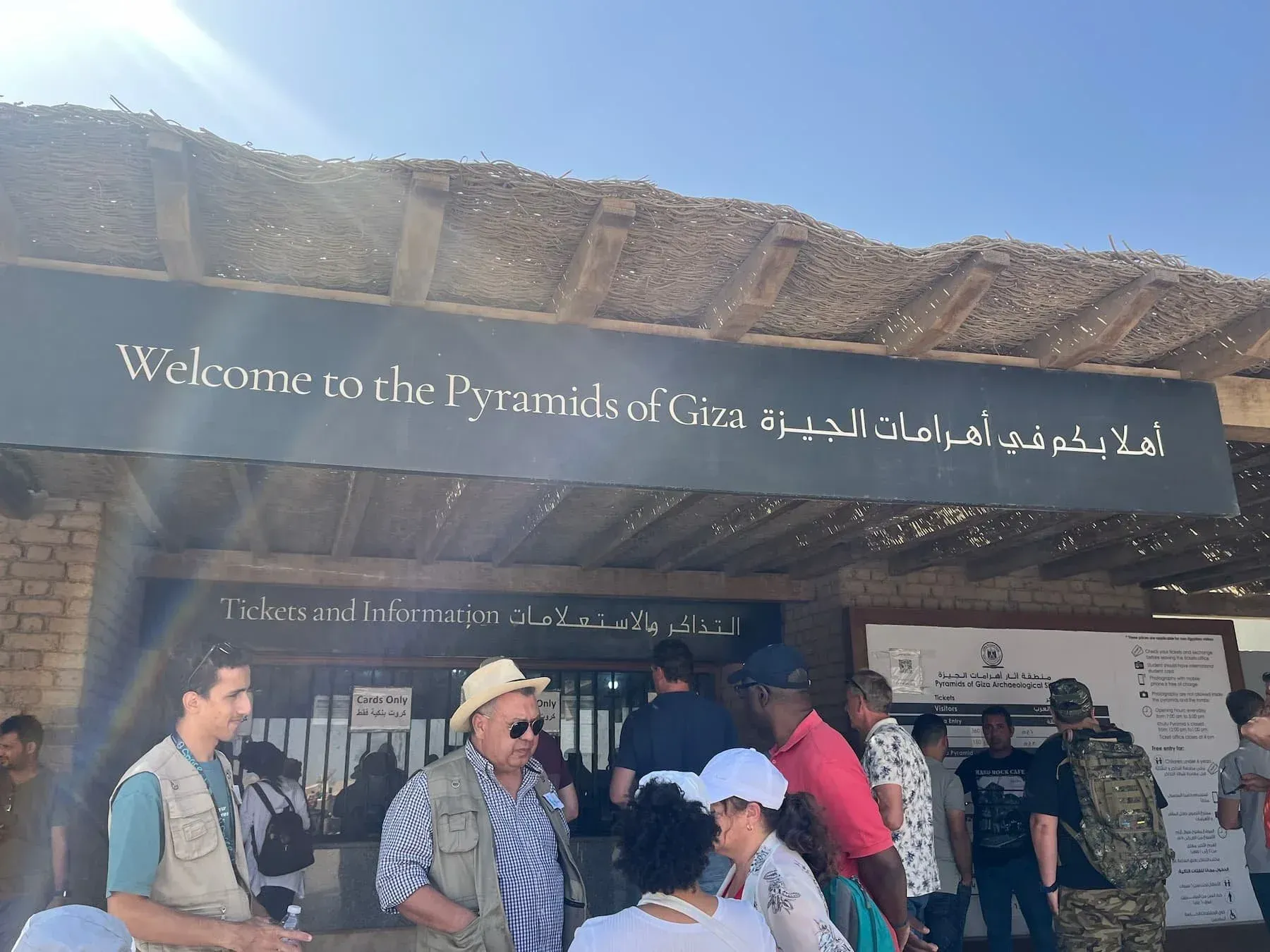
Tickets to enter the Great Pyramid can be purchased at the ticket office near the entrance of the Giza archaeological site.
There are two main ticket categories:
| Ticket Type | Access |
|---|---|
| Giza Plateau Ticket | Entry to the pyramid complex |
| Great Pyramid Ticket | Interior access to Khufu pyramid |
Because the interior ticket is limited, arriving early in the morning increases your chances of securing entry.
Our guided tours include the option to add the interior ticket when booking.
Is It Worth Going Inside the Great Pyramid?
Whether entering the pyramid is worth it depends on your interests and expectations.
For travelers fascinated by ancient engineering and history, the experience is unforgettable. Walking through corridors built over 4,500 years ago offers a unique connection to ancient Egypt.
However, visitors expecting decorated walls or elaborate tomb chambers may be disappointed. Unlike later Egyptian tombs, the chambers inside the pyramid are mostly plain stone.
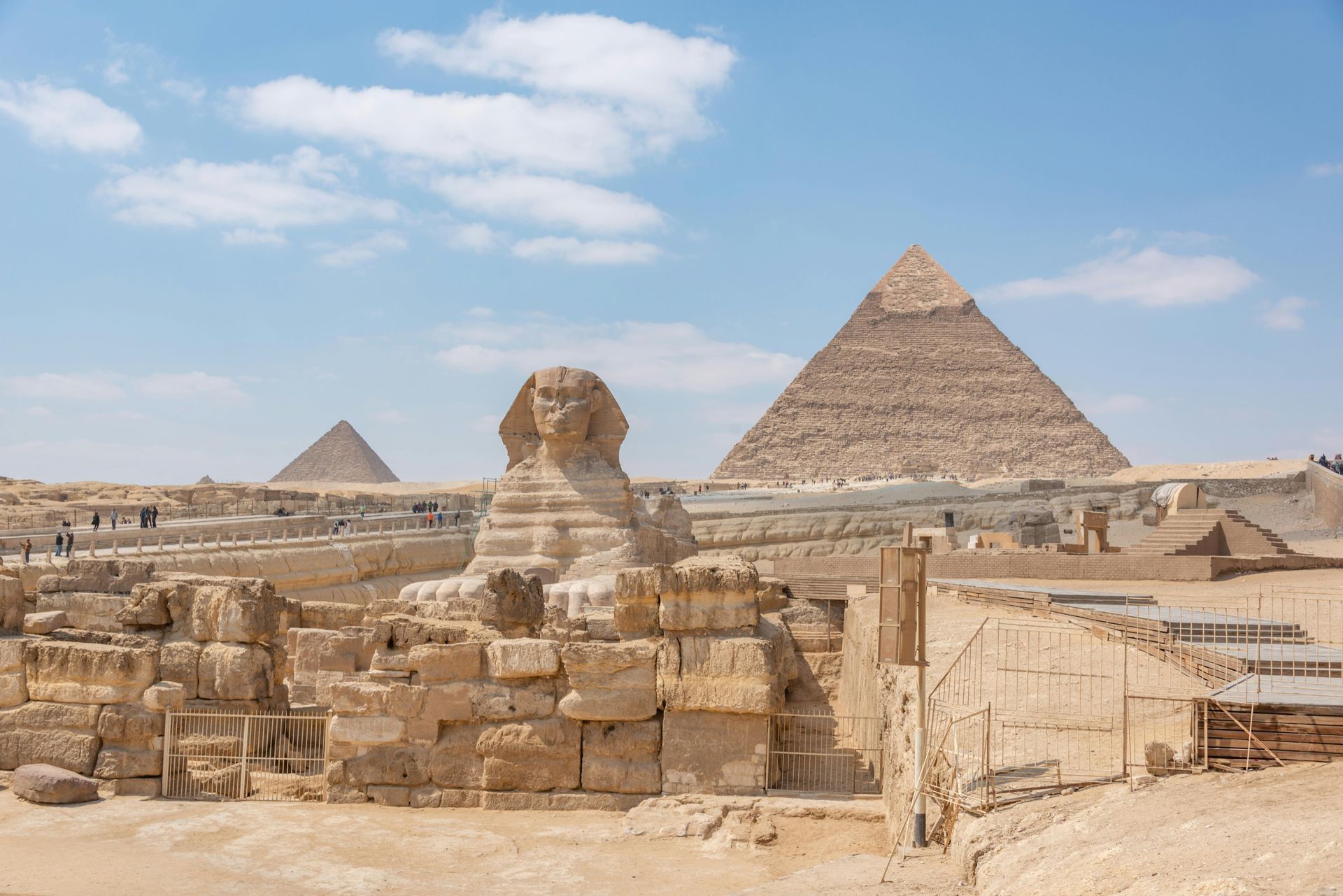
Many travelers choose to explore both the interior of the Great Pyramid and the surrounding monuments, including the nearby
Great Sphinx of Giza.
What It Feels Like Inside the Pyramid
Visitors are often surprised by the physical experience of entering the pyramid.
The interior passages are:
• narrow
• steep
• warm and humid
Climbing the ascending passage and Grand Gallery requires moderate physical effort, especially during busy times when visitors move slowly through the corridors.
Because ventilation inside the pyramid is limited, temperatures can feel warmer than outside.
Travelers who are claustrophobic may find the experience uncomfortable due to the confined spaces.
However, for many visitors the sense of walking through a structure built thousands of years ago makes the effort worthwhile.
Tips for Visiting the Pyramid Interior
To make the most of your experience, consider the following tips:
• Visit early in the morning to avoid crowds
• Bring water and stay hydrated
• Wear comfortable walking shoes
• Be prepared for narrow passages and steep climbs
Visitors who prefer a more relaxed experience often explore the pyramid exterior and the surrounding plateau viewpoints instead.
What Else to See at the Giza Pyramids
The Great Pyramid is only one part of the incredible archaeological complex at Giza.
Other major highlights include:
• the Pyramid of Khafre
• the Pyramid of Menkaure
• the Sphinx and Valley Temple
• the panoramic viewpoint overlooking all three pyramids
Many travelers choose guided tours that explain the history and symbolism of the monuments.
Final Thoughts
Entering the Great Pyramid is one of the most unique experiences available in Egypt. Although the interior is simple compared to later tombs, walking through the corridors and chambers of this ancient wonder provides an extraordinary connection to the past.
Whether you decide to enter the pyramid or admire it from the outside, the Giza Plateau remains one of the most remarkable historical sites in the world.
Let's Start Planning
Send us your travel dates, interests, and questions, and we'll help create the perfect Egypt experience for you.