
What to Bring to the Pyramids of Giza (2026 Complete Guide)
Visiting the Pyramids of Giza is a once-in-a-lifetime experience—but the desert environment can quickly turn excitement into discomfort if you’re not prepared.
This guide covers exactly what you need to bring to stay comfortable, safe, and fully enjoy your visit.
What to Bring to the Pyramids of Giza
1. Sun Protection is NOT Optional
Egypt’s sun is intense all year round—especially in Giza.
Bring:
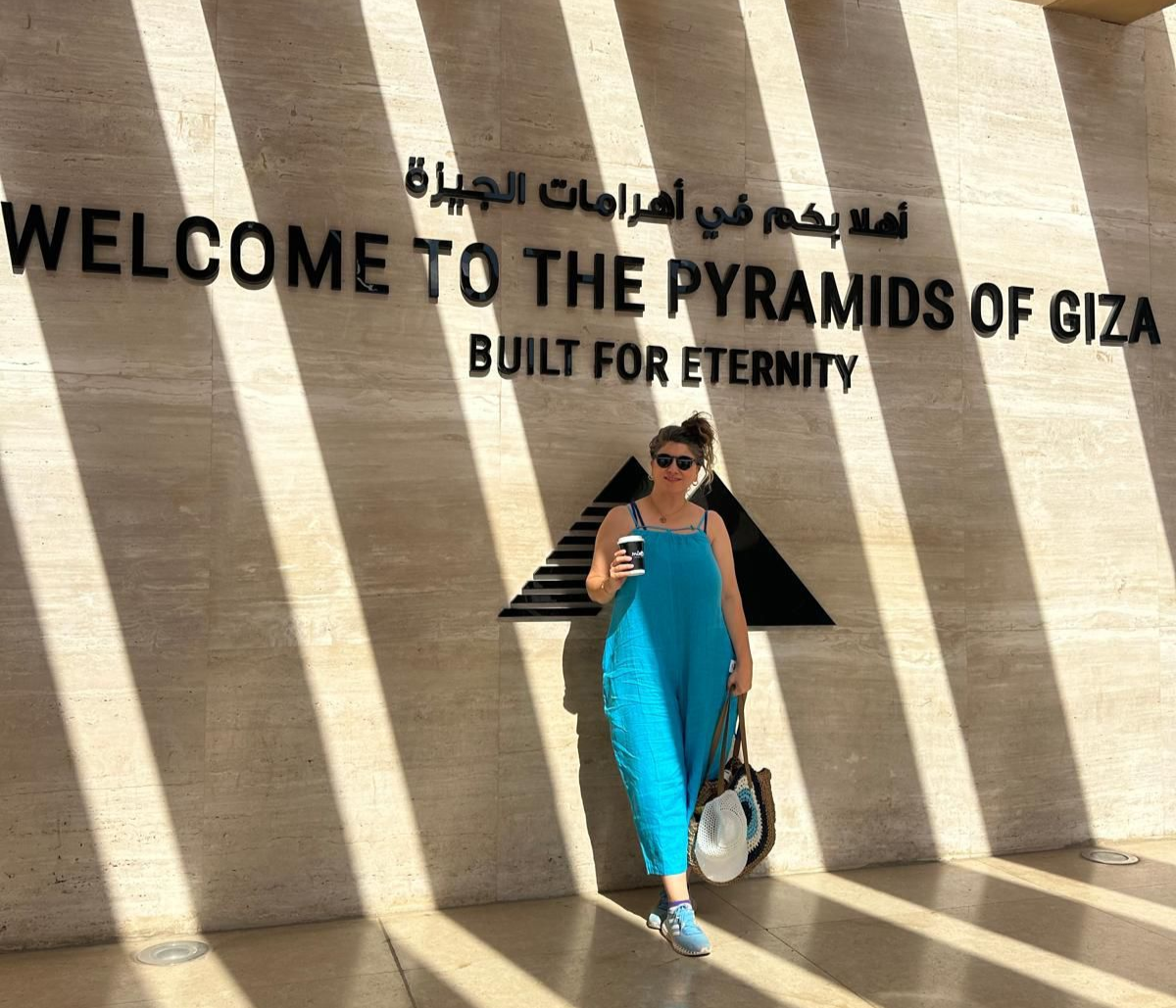
- Sunglasses (UV protection)
- High SPF sunscreen (SPF 30+ minimum)
- Hat or cap (wide-brim preferred)
Pro tip:
Even in winter, the sun can burn within 30–35 minutes.
2. Comfortable Walking Shoes
The Giza Plateau is not smooth pavement—expect:
- Sand
- Uneven stones
- Long walking distances
Best choice:
- Sneakers or closed walking shoes
Avoid:
- Sandals
- Flip-flops
- Heels (seriously, don’t )
3. Water (Stay Hydrated!)
There are limited places to buy drinks inside the site, and prices are higher.
Bring:
- At least 1–2 liters of water per person
Dehydration is the #1 mistake visitors make.
4. Phone / Camera (Fully Charged)
You’ll want photos—lots of them.
Must-have:
- Phone with good camera OR DSLR
- Power bank (highly recommended)
Best shots:
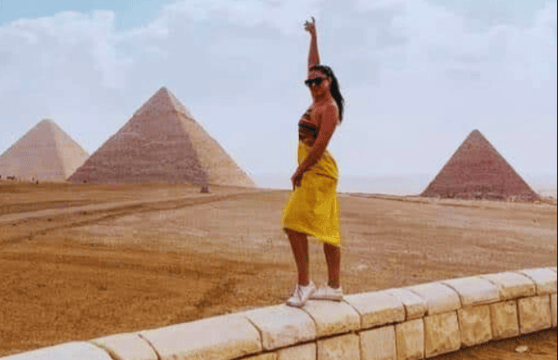
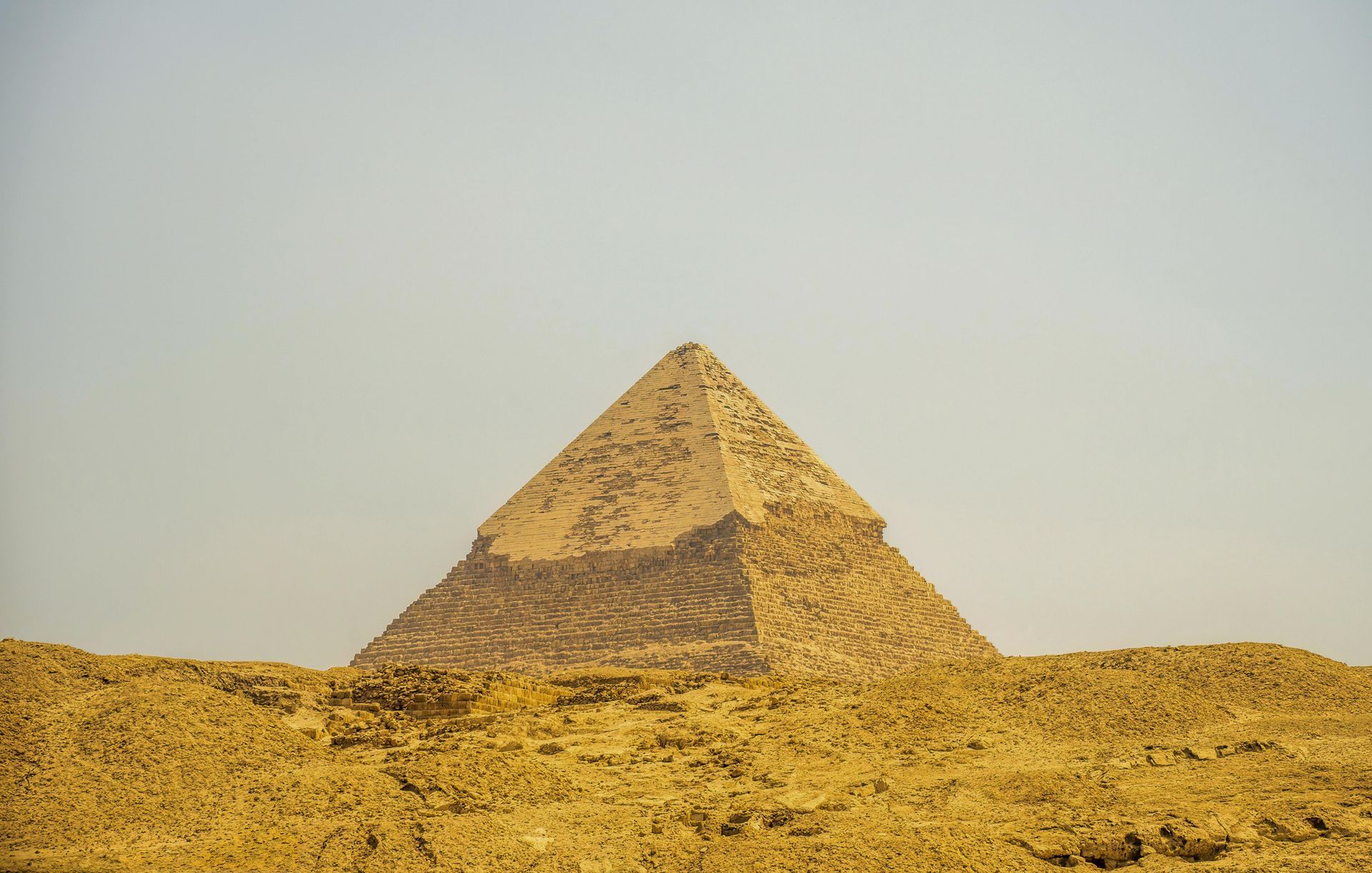
- Panoramic view of all pyramids
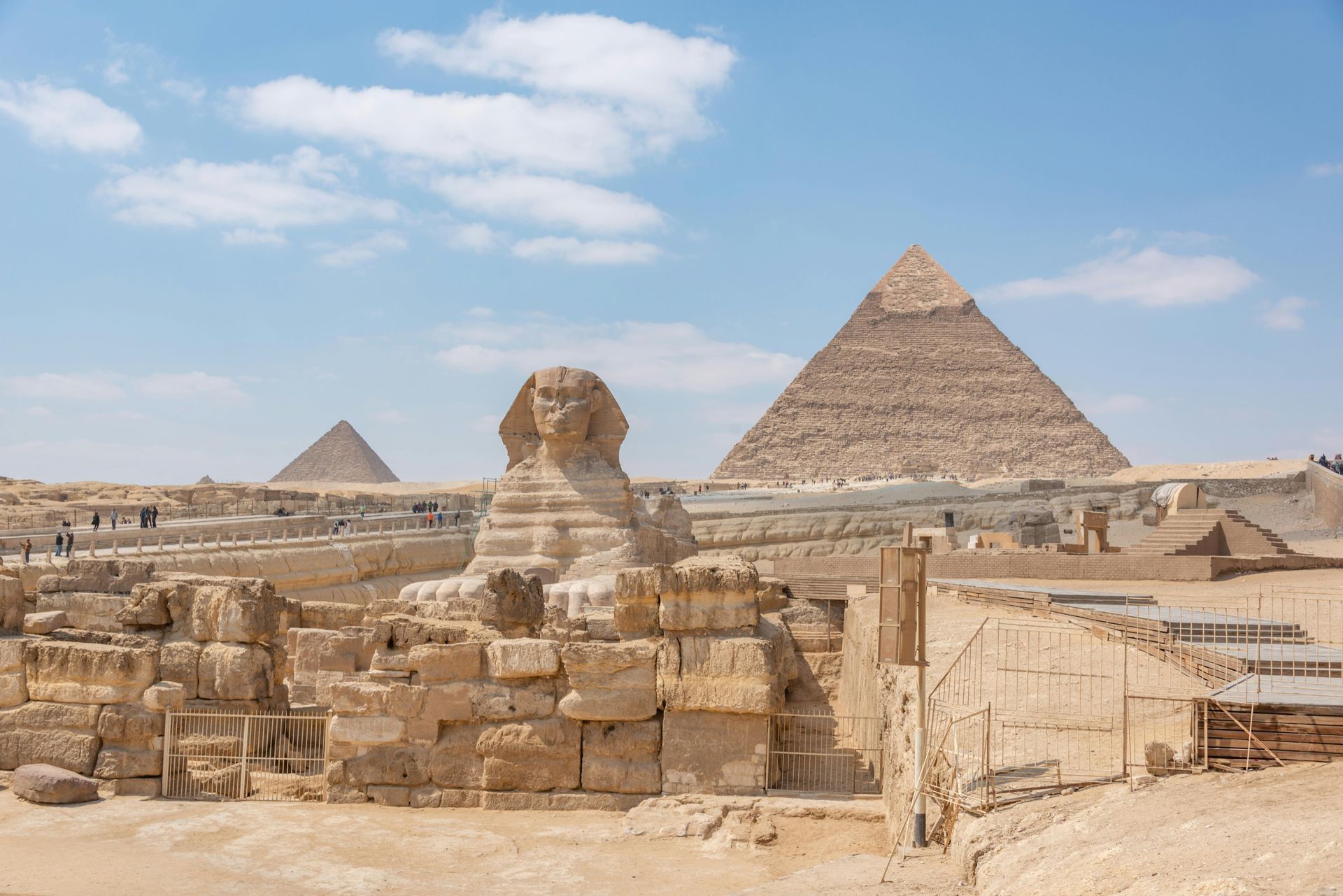
- Sphinx close-up
- Desert background angles
5. Cash (Small Bills)
Many small vendors, camel handlers, and local sellers:
- Don’t accept cards
- Prefer cash
Bring:
- Small Egyptian pound notes
Helps avoid awkward situations and overpaying.
6. Wet Wipes / Hand Sanitizer
There are limited facilities in the area.
Useful for:
- Cleaning hands
- Dust and sand
- Quick refresh
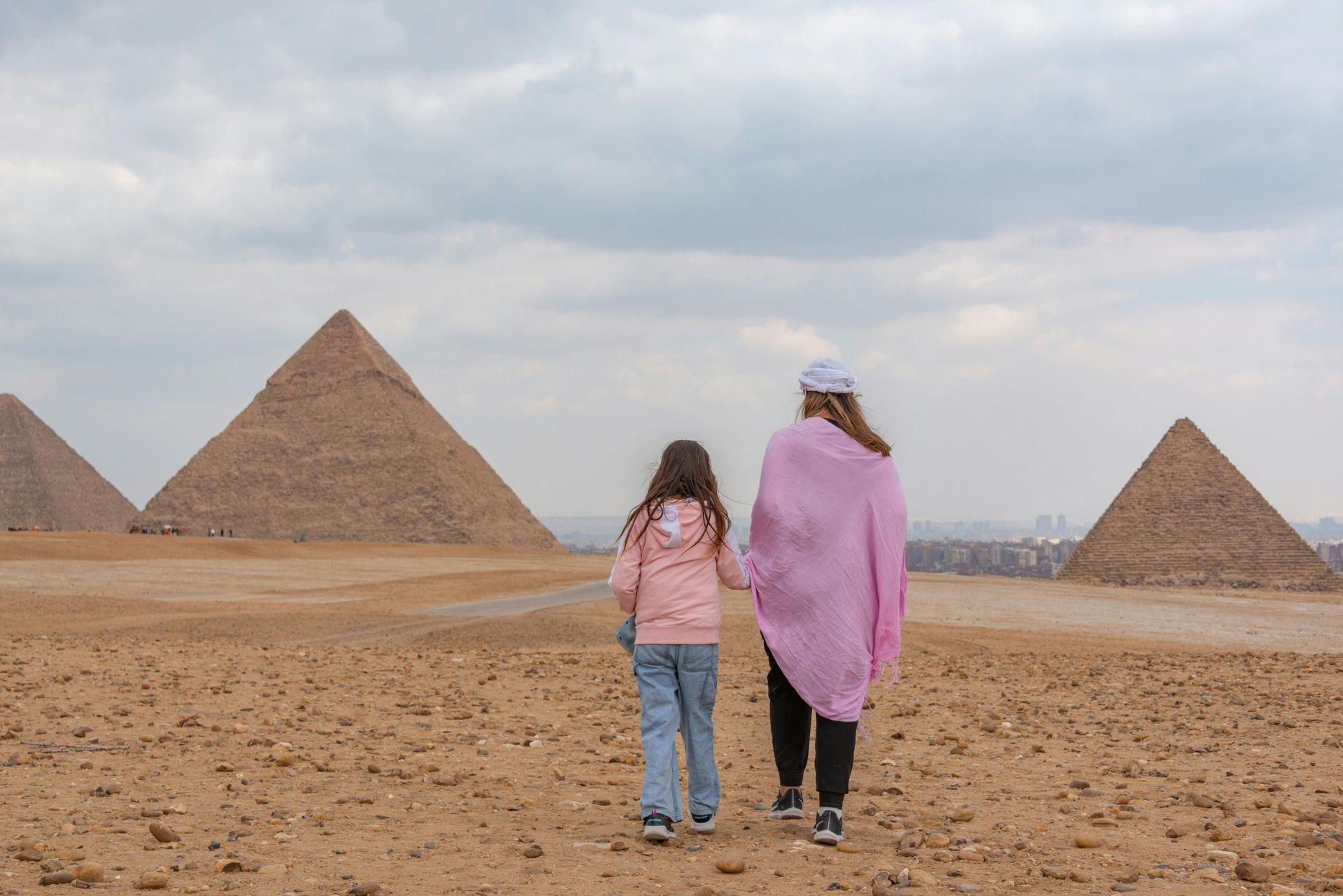
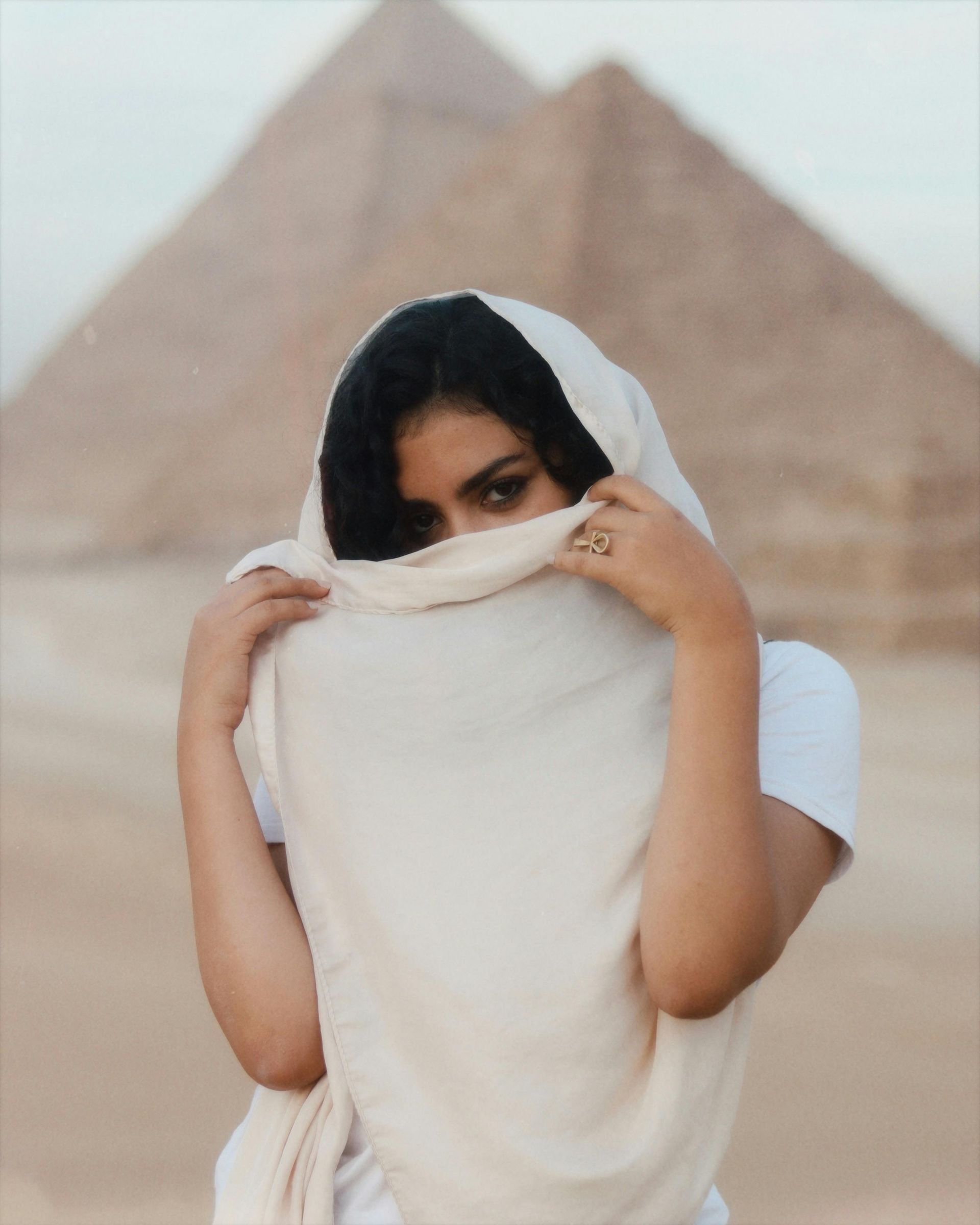
7. Light Scarf or Shawl
This is a smart traveler trick.
Use it for:
- Sun protection (neck/face)
- Dust protection on windy days
- Cultural respect when needed
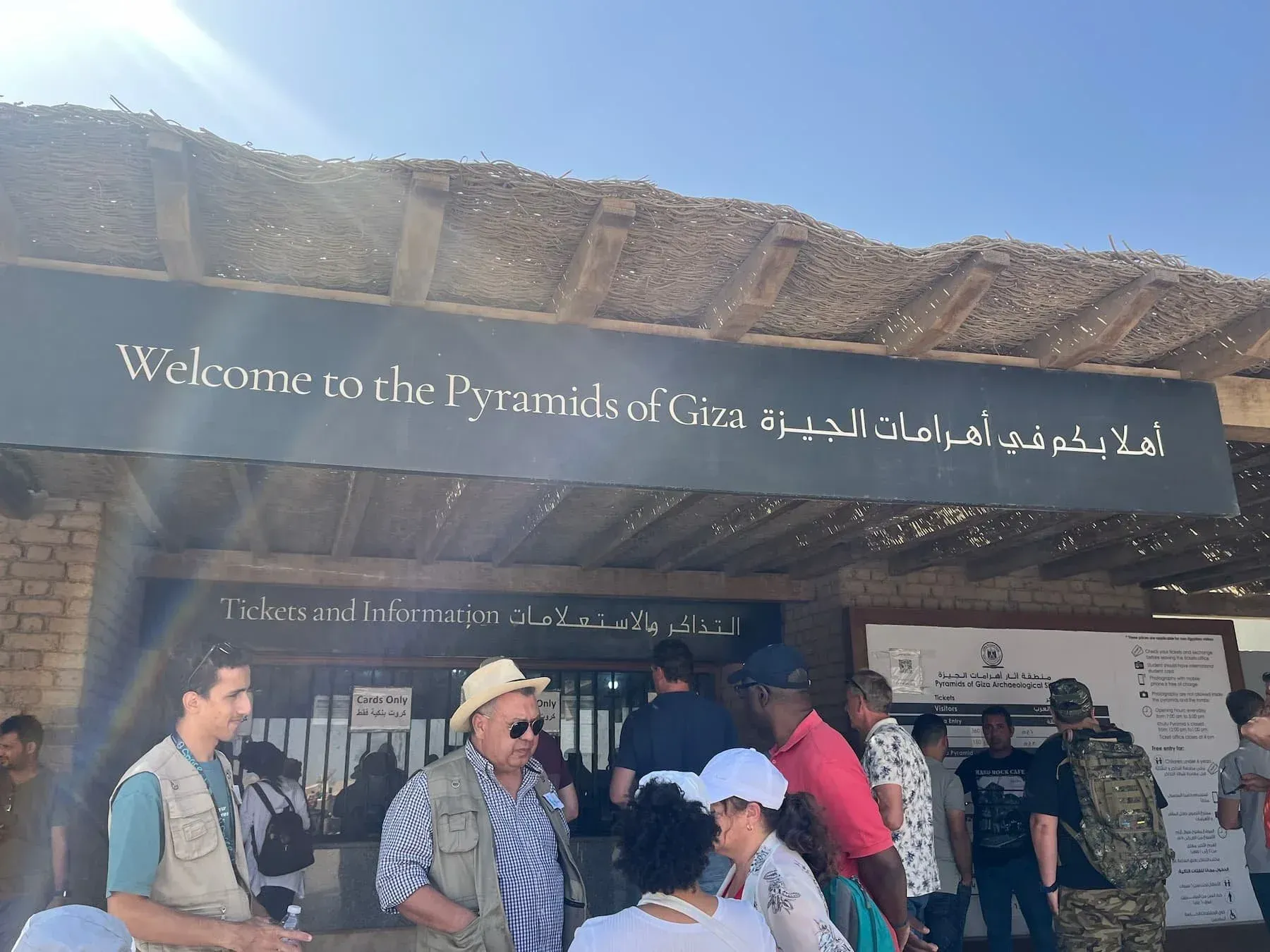
8. Tickets & ID
Always have:
- Entry tickets (or booking confirmation)
- Passport copy (or photo on your phone)
9. Optional: For Extra Experience
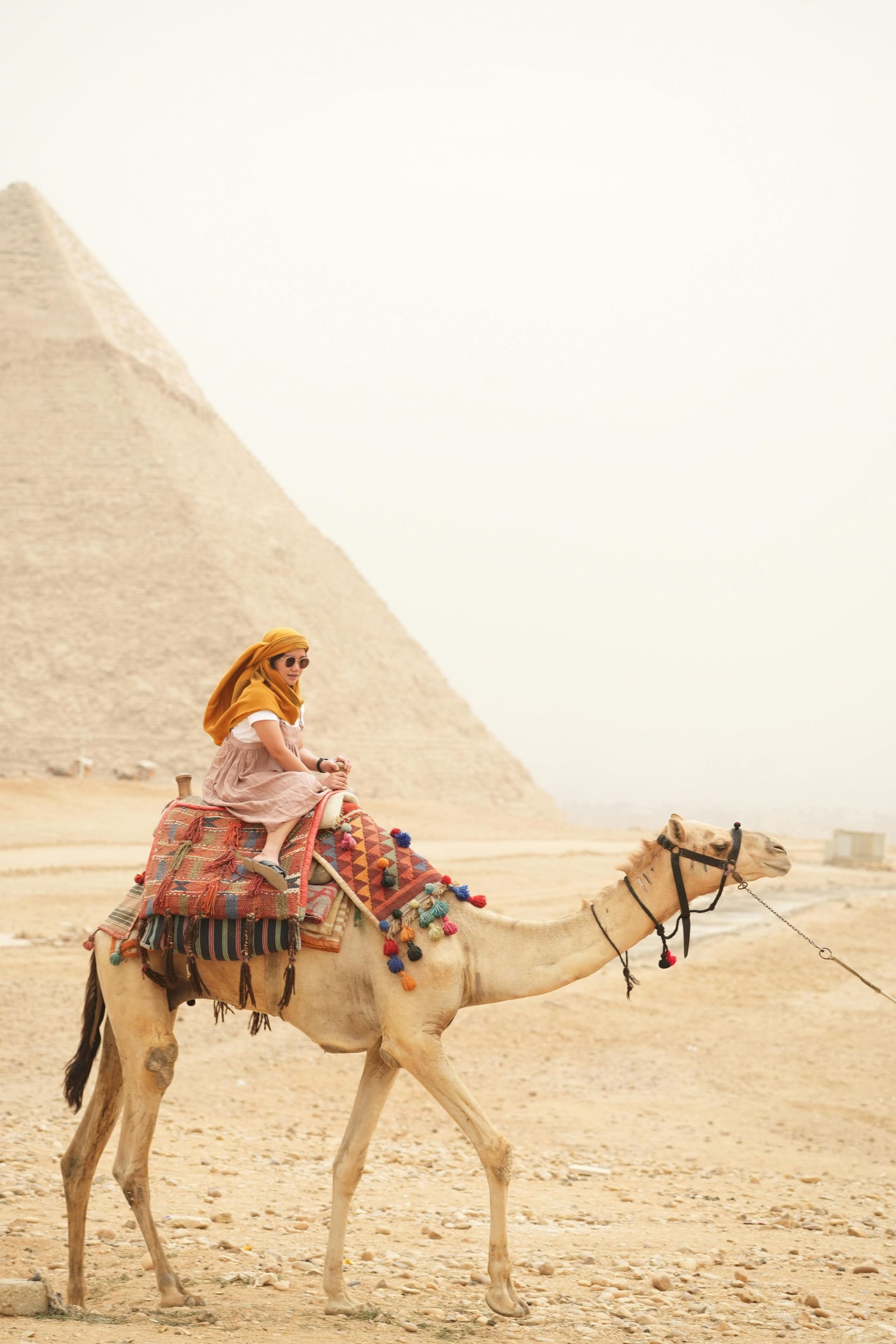
If you plan to ride camels or explore deeper:
Bring:
- Extra cash
- Sunglasses (again, sand!)
- Patience for negotiating
What NOT to Bring
Avoid carrying:
- Heavy bags (you’ll regret it quickly)
- Valuable jewelry
- Large amounts of cash
- Food that attracts attention
Insider Tip (Important)
The Pyramids area is large, hot, and can be overwhelming.
The
biggest mistake travelers make is visiting without a guide.
You can:
- Get lost in the site
- Miss key viewpoints
- Be approached constantly by sellers
- Miss The Giza Pyramids Story
Make It Easy: Go with a Private Guide
Instead of figuring everything out yourself, you can:
✔ Skip the stress
✔ See the best hidden viewpoints
✔ Learn the real history (not just photos)
✔ Avoid tourist traps
- Book a guided Pyramids tour here
Got everything packed?
Make the rest of your Giza visit simple. Explore the pyramids and Sphinx with a private vehicle and licensed Egyptologist guide.
Ready to Explore the Pyramids the Right Way?
The best way to truly understand and enjoy the
Giza Pyramid Complex
is with a knowledgeable local guide.
Book your private pyramids tour today and experience Egypt with expert guidance
FAQ – Visiting the Giza Pyramids
What should I wear to the Pyramids of Giza?
Wear light, breathable clothing and comfortable walking shoes. Avoid sandals and opt for sneakers due to uneven terrain.
Can I bring water into the Pyramids area?
Yes, and you should. Bringing your own water is highly recommended because it can be expensive inside the site.
Is sunscreen necessary at the Pyramids?
Absolutely. The sun in Giza is strong year-round, and sunscreen is essential to avoid sunburn.
Do I need cash at the Pyramids?
Yes. Many vendors and camel ride providers only accept cash, especially small bills in Egyptian pounds.
Are backpacks allowed at the Pyramids of Giza?
Yes, small backpacks are allowed, but avoid carrying heavy or large bags for comfort and security reasons.
Can I take photos at the Pyramids?
Yes, photography is allowed in most outdoor areas. Some interior tombs may require an extra ticket.
Is it better to visit the Pyramids with a guide?
Yes. A guide helps you avoid scams, find the best viewpoints, and understand the history behind the monuments.
Let's Start Planning
Send us your travel dates, interests, and questions, and we'll help create the perfect Egypt experience for you.